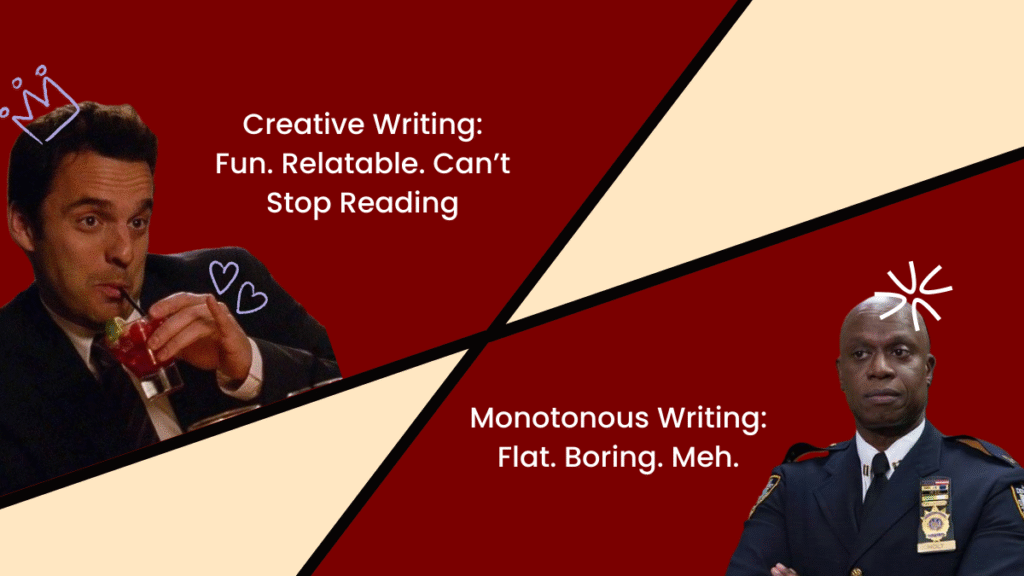

Have you ever visited a website and immediately felt confidence in the brand simply from the way they addressed you? That is exceptional content writing in action.
Good content writing is more than simply being right in various forms, or sounding smart; it is using the right language to create engagement with your audience and push them toward a desired behavior.
It does not matter whether it is a product page, blog post, email, or social media caption, the way you write can matter entirely in terms of your business. So let’s discuss how content writing can build trust, and more importantly, generate results.
- 🧠 First Impressions Matter — And Words Make First Impressions
Your website or Instagram bio may be the first thing that someone sees about your brand. You have a few seconds to produce a good impression. While the visuals are great for getting attention, it’s the words that keep it.
Good content writing:
Clearly conveys who you are and what you provide
Conveys your branded personality (playful, friendly, professional etc.)
Develops a sense of space for the user
So when your words are simple, thoughtful and align to your brand persona, people are staying longer, scrolling deeper, and beginning to trust you.
- 🫶 Trust is Built Through Consistency and Clarity
Let’s be honest, nobody likes to feel confused or like they are being sold.
Your website and emails are worthless if they look spammy or filled with jargon. Your audience will be gone in seconds! On the other hand, when your content is clear, relevant and consistent, your audience comes back to you.
Here’s how content builds trust:
Clearness: Make concise complex ideas and your audience understands what you are doing and how that helps them.
Consistency: Keep the same tone and messaging across platforms to present one consistent trustworthy brand.
Transparency: Provides real experiences, price levels and real experiences that are genuine
When your audience knows and connects to what you are communicating, the trust factor builds.
- 💡 Good Content = Soft Selling
No one wants to feel pressured to buy anything. That’s why in the end, the most effective content doesn’t feel like a hard sell — a useful and informative conversation.
Content writing relieves education and satisfies the information need of people through blog posts, informative guides, product descriptions that engage, or addressing frequently asked questions.
When a person feels informed, they feel confident knowing that buying from you is the right decision.
Think of content as your 24/7 sales person, but he’s knowledgeable, gracious and soft-sells when he asks your audience to buy your product.
- 🎯 Words Create Action (When Appropriate)
Trust is great—but at the end of the day, you also want people to do something:
Buy a product / book a service / sign up for emails / follow your page.
That’s where conversion-based writing comes into play. You can create an effective content strategy to help readers take action naturally.
How?
Powerful yet Friendly CTAs
Clearly describe the benefits of your product or service
Write so that clearly the reader knows your are speaking to them, not at them
These are all things that can create better response rates when they are put into action– such as changing “Submit” to “Get My Free Guide.”
- 📈 Content Grows With You
The best part? Great content continues to work long after it was first created.
A useful blog will bring you search traffic for months. A good email will convert the curious to loyal customers. Even a caption that goes viral will expose your brand to thousands.
Even a caption that takes off can get your brand in front of thousands.
In the long run content is the best way to create a cost effective way to scale your brand and establish a community.
Final Thoughts
In a world filled with chaos, the right words will make your brand stand out.
Content writing is not about simply filling pages or word counts. It is about creating connection and credibility for conversions.
If you are running a company, freelancing, or managing a brand—just remember:
Do not write to sound smart. Write to be understood.
Because when words work- so do you, and when words work – so does your business.